Water behind the cabin, rather than inside it, is a different problem from water inside the tray, and the timing tells you which of two things is happening: water there whether or not the shower has run points to a leaking supply connection, water only after a shower points to the waste. Check right round the external silicone bead first, as it's the easiest thing to rule in or out.
Applies to: shower cabins
Compatible with many shower cabin brands including



Quick diagnosis
If your shower cabin is showing these symptoms:
- Damp or standing water found behind the cabin during cleaning or a service visit
- A musty smell coming from behind or underneath the unit
- Skirting or flooring behind the cabin showing signs of water damage
- No visible leak inside the tray itself
- Water appears only near where the cabin meets the wall, not across the whole footprint
Likely causes, most likely first
- Missing or failed external silicone. Cabins are siliconed on the outside where the frame meets the wall and floor; if this bead is missing, cracked or was never applied, splashed water can track behind the unit instead of running down the outside.
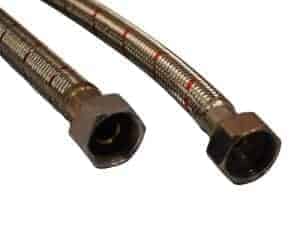
- A loose or failed supply hose connection behind the unit. The hot and cold hoses that feed the valve from the mains sit behind the cabin under constant pressure; a joint that isn’t fully tightened, or a hose that’s failed, will drip whether or not the shower has been used that day.
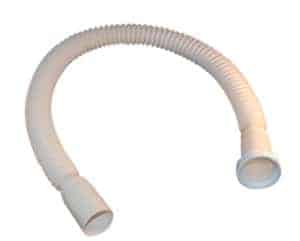
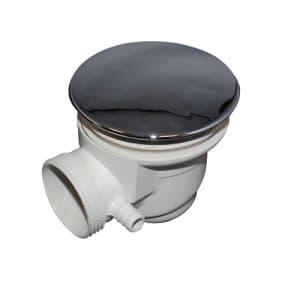
- A loose waste or drain connection behind the unit. The tray waste, its flexible hose, and on steam models the generator’s drain hose, only carry water while or just after the shower runs; a loose joint here shows up as damp that follows use rather than being constant.
- Internal silicone trapping water. Sealing the inside of the frame channels, which isn’t recommended, can trap water inside the frame instead of letting it drain, where it can sit and turn stagnant.
Likely cause
The cabin's own return channels only deal with water that lands inside the tray, so anything found behind the unit is coming from one of three places: a gap in the external silicone seal where the frame meets the wall, the hot or cold supply hoses feeding the valve from the mains, or the waste and drain connections that only run while the shower is in use. When the water appears tells you which: constant or unrelated to use points to the supply side, only after a shower points to the waste side.
Check this first
- Work out when the water appears: there whether or not the shower has been used points to the supply hoses; only there after a shower has run points to the waste. On a steam model, check the generator’s drain hose too.
- Check the external silicone bead where the cabin meets the wall and floor for any gaps or cracks, working right round the footprint.
- With the water off, isolate the power, then carefully check the hose and waste connections behind the unit for damp rather than a fresh drip.
Which part fits your cabin
| Brand | Model / range | Part | Confidence |
|---|---|---|---|
| Insignia | Diamond, ECO, ES, GT, INS and RS range cabins | Flexible Waste Hose | Listed on Insignia’s own parts pages |
| Vidalux | SS (Steam), Essence and Essence Classic ranges | Flexible Waste Hose | Checked against Vidalux’s own product records |
This list is a floor, not the full range … the supply hoses are a standard 1/2" BSP fitting across brands and aren’t brand-specific.
Parts that fix this problem

How to fix it
- Turn off the water supply before investigating further
- Isolate the power to the unit before reaching behind it … there are mains electrics back there, including lights, the fan and, on steam models, the generator
- Check right round the external silicone line where the cabin meets the wall and floor, and rake out and reseal any cracked or missing sections with a flexible sanitary silicone
- If the silicone looks sound, carefully access behind the unit and check the hot and cold supply hoses first if the damp is constant, or the waste and flexible waste hose first if it only follows a shower
- Dry the area fully and leave any new silicone to cure before restoring power and running the shower again
- Run the shower and re-check behind the unit after a few uses to confirm the fix has held
When to call a professional
If you can't get safe access behind the unit, or you find the leak is from a fixed plumbing joint rather than the cabin's own connections, that's a job for a plumber. Never work behind the unit without isolating the power first.