Mould inside a shower cabin almost always comes down to trapped moisture that isn't getting the chance to dry out between uses, not a fault with the cabin itself. Ventilation, and how the doors are left after use, make more difference than anything else.
Applies to: shower cabins
Compatible with many shower cabin brands including



Quick diagnosis
If your shower cabin is showing these symptoms:
- Black or pink mould spots appearing in seal folds or corners
- Mould forming along the door seals specifically, rather than on the tray or panels
- A musty smell alongside visible mould
- Mould returning quickly after cleaning
- Worse mould in winter or in a poorly ventilated bathroom
Likely causes, most likely first
- Doors left closed after use. A closed cabin traps warm, damp air inside with nowhere to go, which is exactly the environment mould needs; leaving the doors open after every use helps it dry out.
- Poor bathroom ventilation. The cabin’s own extractor fan, where fitted, clears steam from inside the enclosure, but it can’t compensate for a bathroom with no window or extractor of its own building up humidity long-term.
- Silicone applied inside the frame channels. Sealing the inside of the frame, rather than just the outside where it belongs, traps water inside the channels instead of letting it drain, creating a permanently damp pocket mould thrives in.
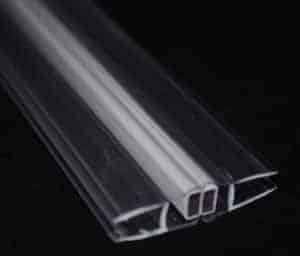
- Seal folds not dried out. The folds and creases in magnetic door seals hold a film of water after every use; if they’re never wiped down, mould gets a head start there before it’s visible anywhere else.
Likely cause
Where a steam shower cabin has its own extractor fan, it's built to clear steam from inside the enclosure after a session, but it can't dry out a bathroom with poor ventilation of its own, and it does nothing if the doors are shut straight after use, trapping warm damp air inside. Mould needs moisture that isn't getting the chance to evaporate, and the seal folds, closed doors and any internally-siliconed channel are exactly where that moisture collects.
Check this first
- Check whether the doors are being left open to air the cabin after each use … this alone clears up a lot of mould without touching a single part.
- Look specifically at the folds of the door seals, not just the flat panels, since that’s usually where it starts.
- Check whether the bathroom itself has a working extractor fan or window, separate from the cabin’s own fan.
Which part fits your cabin
| Brand | Model / range | Part | Confidence |
|---|---|---|---|
| Insignia | Diamond, ECO, ES, GT, INS, Kids, Monochrome, Platinum and Premium range cabins | Magnetic Shower Door Seals | Listed on Insignia’s own parts pages |
| Vidalux | SS (Steam), Essence and Essence Classic ranges | Magnetic Shower Door Seals | Checked against Vidalux’s own product records |
This is a floor, not the full range … replacing stained seals is only worth doing once cleaning genuinely stops working, and measuring your own seal length confirms the fit regardless of model.
Parts that fix this problem
How to fix it
- Leave the cabin doors open after every use to let it air out and dry
- Wipe down the door seal folds and any silicone with a non-abrasive, bleach-free cleaner suitable for acrylic, chrome and glass
- Check the bathroom has adequate ventilation of its own, separate from the cabin’s own extractor fan where it has one
- If mould keeps returning in the same spot on the door seals despite cleaning, replace the seals rather than continuing to clean them
- Never apply silicone inside the frame channels when resealing … outside only, to avoid trapping water
When to call a professional
If mould keeps coming back across the whole cabin rather than just the seals, or you suspect damp behind the unit itself, check the bathroom's ventilation first, or call in a plumber if you suspect a hidden leak.