Ever spotted a quick, shiny little bug darting across your bathroom floor and thought, What on earth was that? Chances are, you’ve just met a silverfish.
These tiny, silvery nocturnal insects love to lurk in dark, damp corners — which makes bathrooms one of their favourite hideouts.
While they don’t bite or spread disease, they can damage your belongings like books, wallpaper, or even your cereal.

If you’ve been dealing with silverfish in bathroom corners, drains, or behind the toilet, you’re not the only one — it’s a common problem in UK homes. And if you’re seeing one, there’s a good chance there are more nearby.
In fact, silverfish infestations are becoming more common. According to the British Pest Control Association (BPCA), there’s been a 12% rise in silverfish-related callouts in the UK between 2021 and 2023 — so if you’ve got them, you’re not alone.
At Steam Shower Parts, we’ve put together this guide to explain exactly what silverfish are, why they’re hanging out in your bathroom, how to get rid of them using both natural and chemical methods, and most importantly — how to keep them from coming back.
What Is a Silverfish?
Silverfish might look creepy, but they’re more of a nuisance than a threat.
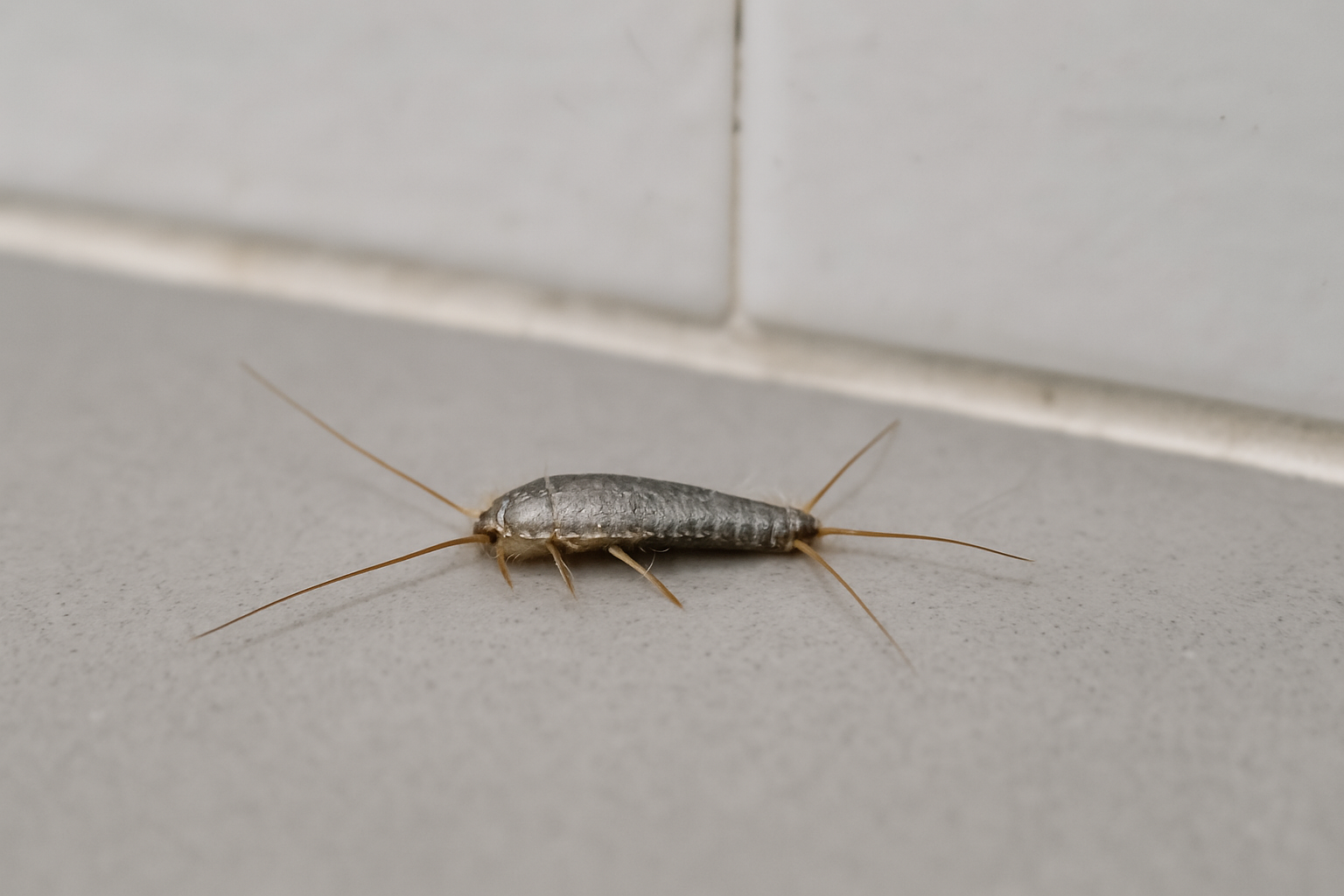
Silverfish are small, wingless insects with silvery, cigar-shaped bodies, long antennae, and a wiggly, fish-like movement. They grow up to 2cm in length and are often mistaken for centipedes or firebrats.

While they might look alarming, silverfish are harmless to humans — they don’t bite or spread disease. However, they’re still pests. Silverfish feed on starches and sugars found in paper, books, wallpaper glue, fabrics, and even cereal. Left unchecked, they can damage your belongings and contaminate food.
Are Silverfish Harmful?
Despite their creepy appearance, silverfish don’t bite or sting — in fact, they’re completely harmless to humans. If you’ve searched “silverfish bite” out of concern, rest assured: these primitive insects don’t have the ability to bite skin or cause any direct harm.
That said, they can still cause problems in your home. Silverfish feed on starchy organic materials like paper, glue, fabric, and dry food, which means they can damage books, wallpaper, clothing, and stored goods over time.
Silverfish live for several years in the right conditions, especially if they have a steady food source and plenty of moisture.
Why Do I Have Silverfish In My Bathroom?

Silverfish are drawn to places that are damp, dark, and undisturbed — which is why bathrooms are a prime spot for them. Your bathroom is one of the most common places where silverfish hide, sleep, and breed — especially in corners, behind toilets, or under sinks.
They often stay hidden during the day and become active at night, feeding on anything from paper products to bathroom linens or stray hairs.
Getting rid of them takes a bit of effort, but it’s absolutely doable. In the next sections, we’ll walk you through the tools, methods, and preventative steps to help clear them out — and keep them out for good.
Signs of a Silverfish Infestation
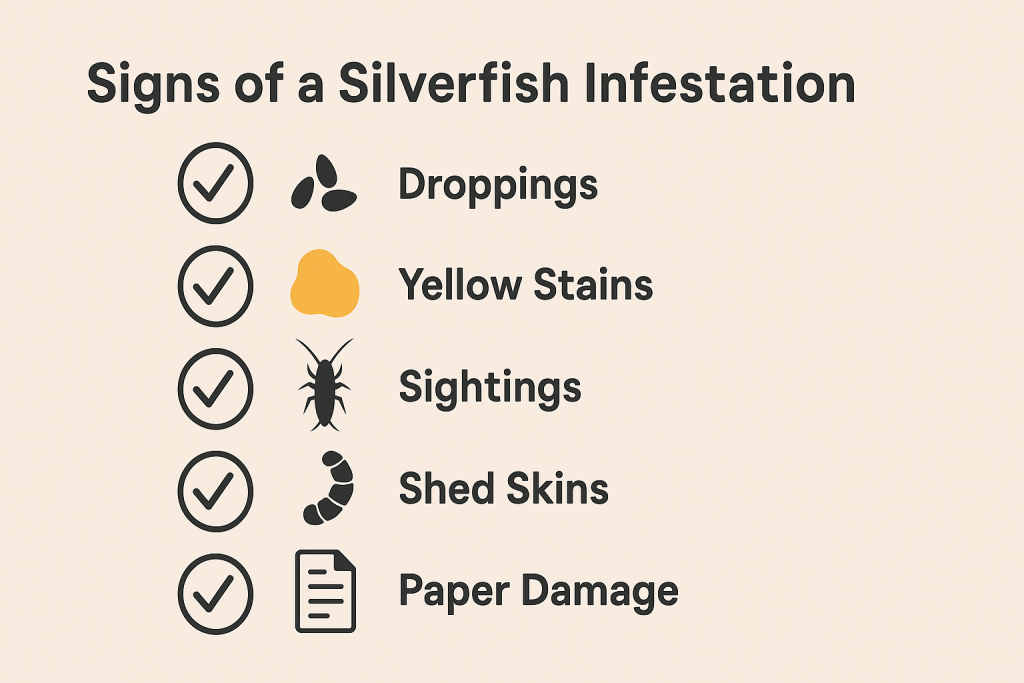
Not sure if you’re dealing with just one bug or a bigger problem? Here are the common signs that silverfish may be hiding out in your bathroom:
- Sightings of silverfish, especially at night
- Tiny pepper-like droppings in corners or drawers
- Yellow stains or small holes on paper, wallpaper, or clothing
- Shed skins, which look like translucent tiny scales
- Damage to books, cardboard, or food packaging
How To Get Rid Of Silverfish In The Bathroom?
Silverfish are persistent, but with the right mix of methods — from moisture control to targeted traps — you can get rid of them effectively. Here’s a step-by-step breakdown.
Step 1: Find the Source
Start by checking where the silverfish are actually coming from. You might spot one in your kitchen, but the infestation could be rooted in your bathroom or a damp nearby room.
Common hiding spots include:
- Under sinks and around bathroom drains
- Behind or beneath bathroom cabinets and toilets
- Cracks in tiles, walls, or skirting boards
- Damp, dark storage areas like lofts, basements, or utility rooms
Tracking them early helps stop the spread before it worsens.
Step 2: Reduce Humidity and Moisture
Silverfish love bathrooms because of the humidity. Keeping your space dry is one of the most effective ways to make it uninhabitable for them.
Tips to reduce moisture:
- Open windows regularly or use an extractor fan
- Avoid leaving wet towels or bath mats in the room
- Wipe down surfaces and dry the floor after use
- Fix leaky taps, pipes, or shower seals
- Use a dehumidifier to maintain humidity below 50%
If your whole house has moisture issues, consider a whole-home humidity solution.
Step 3: Try Natural Silverfish Traps and Repellents
Before turning to chemical treatments, test some expert-backed natural methods. According to Fantastic Silverfish Control, these home remedies are simple, safe, and proven to help with minor infestations:
- Newspaper trap: Roll up a slightly damp newspaper and secure it with rubber bands. Silverfish are drawn to moisture and paper, crawl inside, and get stuck. Dispose of the trap after 24 hours and repeat until activity stops.
- Jar trap: Place a few small pieces of bread in a jar. Tape the outside with paper (so they can climb in), but leave the inside smooth. Once inside, they can’t escape. Check and empty it daily.
- Aromatic deterrents: Silverfish dislike strong scents. Place small bowls of cloves, cinnamon, bay leaves, or use essential oils like lavender or cedar oil in affected areas.
Note: These methods work best for small infestations and should be repeated for a few days.
Step 4: Use Chemical Treatments (With Care)
If silverfish are still sticking around, stronger solutions may be needed. Always wear gloves and a mask when handling insecticides, and keep pets and kids away from treated areas.
Common options include:
- Bleach: Pour a cup down bathroom drains and plug them overnight. This helps kill eggs and stops breeding in damp pipes.
- Diatomaceous Earth (DE): A natural, powdery substance made from fossilised algae. Sprinkle it around drains, corners, and along skirting boards. It cuts through the silverfish’s exoskeleton and dehydrates them. Vacuum after 24–48 hours.
- Boric Acid: Lightly dust under sinks, behind toilets, and in wall cracks. It’s effective but toxic if ingested, so use with caution.
- Pyrethrin sprays: These fast-acting insecticides kill on contact. Spray around baseboards, behind furniture, or along cracks — but never near food or pet areas. Consider leaving the house for a few hours after spraying.
Step 5: Call in the Professionals
If the infestation is widespread or keeps returning, it may be time to bring in the experts. Professional pest control services:
- Identify hidden nests or cracks you may have missed
- Use powerful treatments not available to the public
- Offer follow-up care and long-term prevention advice
This is often the quickest and most effective option for persistent or large-scale silverfish problems.

Tools and Products You Might Need
Here’s a handy list of items that can help you eliminate silverfish and prevent them from returning — whether you’re using natural methods or chemical treatments.
| Tool / Product | Purpose | Notes |
|---|---|---|
| Gloves & Mask | Personal protection during chemical treatments | Always use when handling powders, sprays, or bleach |
| Dehumidifier | Reduces overall moisture levels and humidity | Keep humidity below 50% in bathrooms and damp areas |
| Extractor Fan / Vent | Improves airflow to reduce dampness | Run during and after showers, or install if not already in place |
| Newspaper | For DIY trap | Roll, dampen slightly, and dispose daily |
| Glass Jar & Bread | Another natural trap option | Tape outside with paper so silverfish can climb in |
| Paper Tape | Used with jar trap | Makes jars climbable for silverfish |
| Bleach | Kills silverfish in drains | Use overnight in plugholes (avoid mixing with other products) |
| Diatomaceous Earth (DE) | Cuts and dehydrates silverfish | Apply to corners, cracks, and vacuum after 1–2 days |
| Boric Acid | Toxic dust that kills silverfish | Effective but must be used cautiously around pets and children |
| Pyrethrin Spray | Strong insecticide for contact kill | Use sparingly and ventilate well — not for use near food or pets |
| Vacuum Cleaner | Removes eggs, skin sheds, and silverfish | Focus on corners, edges, and cracks |
| Caulk / Sealant | Seals up entry points and cracks | Prevents silverfish from re-entering your bathroom |
How to Prevent Silverfish from Coming Back
Once you’ve dealt with the infestation, keeping silverfish away for good comes down to a few simple habits. Here’s what to focus on:
#1 Keep the Bathroom Dry
Silverfish thrive in moist and humid environments, so keeping your bathroom dry is key.
- Use an extractor fan or open windows regularly
- Mop up standing water after showers
- Avoid leaving damp towels or clothes in the room
- Consider using a dehumidifier if moisture is a recurring issue
#2 Seal Cracks and Entry Points
These pests can squeeze through tiny gaps in walls, floors, and tiles.
- Use caulk or sealant to close up any cracks or crevices
- Pay close attention to gaps around pipes, baseboards, and window frames
#3 Vacuum and Clean Regularly
Keeping things clean not only removes food sources — it can also suck up silverfish eggs or shed skins.
- Vacuum floors, baseboards, and corners weekly
- Wipe down surfaces and remove any food crumbs or spills
- Don’t forget hidden areas like behind the toilet or under the sink
#4 Store Paper and Toiletries Properly
Silverfish love to nibble on paper, glue, and even shampoo labels.
- Keep books, magazines, and cardboard boxes out of the bathroom
- Store toilet rolls and personal care products in airtight containers or cupboards
#5 Monitor Humidity Levels
Use a hygrometer to keep tabs on your bathroom’s humidity. Aim to keep it below 50% to discourage silverfish and other moisture-loving pests.
#6 Use Natural Repellents Occasionally
Every so often, try using natural deterrents to keep silverfish away:
- Place bowls of cloves, cinnamon, or bay leaves in corners or on shelves
- Use essential oils like lavender or cedarwood in a diffuser or cotton ball
When to Call a Pest Control Professional
If silverfish keep reappearing despite your efforts, it may be time to contact a pest control professional. Frequent sightings, damage to books or wallpaper, and failed DIY treatments are all signs of a deeper infestation.
Experts can identify hidden nesting areas, seal off entry points, and apply more powerful (yet safe) treatments that aren’t available over the counter. For widespread or persistent problems, professional help is often the quickest and most reliable solution.
Takeaways:
- Silverfish love damp, dark, and undisturbed places — especially bathrooms.
- They don’t bite or spread disease but can damage paper, books, wallpaper, and food.
- Natural traps and repellents can help with small infestations.
- Chemical treatments like DE, boric acid, and bleach are more effective for stubborn cases.
- Keeping your bathroom dry, sealed, and clean is the best long-term prevention.
- For larger infestations, professional pest control is the most reliable solution.
Final Word
Tackling silverfish in your bathroom might feel frustrating at first, but with the right steps — and a bit of consistency — you can clear them out and stop them from coming back.
Whether you go the natural route or use stronger treatments, staying on top of moisture and cleanliness is key to keeping your home silverfish-free.
Sources: